





- HOME /
- Masculinizing Hormone Therapy
Masculinizing Hormone Therapy
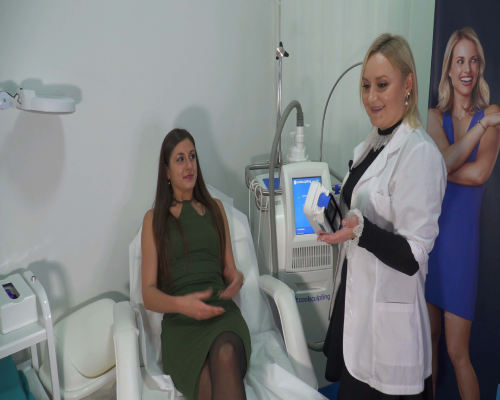
Svetlana Pyatigorskaya NP in Family Health PC
Masculinizing Hormone Therapy
What Does Masculinizing Hormone Therapy Involve?
Masculinizing hormone therapy involves administering the male hormone testosterone and other medications to develop physical characteristics in line with a transgender woman’s male gender identity or expression. Male hormone replacement therapy can take many different forms, each of which is determined uniquely for you. Transgender hormone replacement therapy for a female-to-male transition may consist of:
- Injectable testosterone.
Testosterone used in injections is made from bioidentical ingredients. It is the chemical equivalent of testosterone naturally secreted from male testicles. You’ll undergo a series of injections in varying doses, as determined by the medical professional assisting you.
- Testosterone patch.
This therapy protocol involves wearing a patch on your back, stomach or arms. It was initially developed for men with low levels of testosterone, so the dosage increases during hormone replacement therapy for transgender female-to-male transitioning.
- Testosterone gel or cream.
Testosterone cream is applied on the skin at a constant rate. It’s vital that you work with an experienced transgender female-to-male hormone therapy specialist to ensure the proper dosage and application for your specific case.
- Oral pills.
Testosterone pills used for masculinizing hormone therapy are taken once daily. They may eliminate some of the side effects that may accompany injectable testosterone.
- This is hormone replacement therapy (HRT) using small pellet-like implants inserted under the skin with a local anesthetic.
A transgender hormone therapy specialist plays a critical role in successful transgender female-to-male hormone therapy. At New York City-based Svetlana Pyatigorskaya NP in Family Health PC, Svetlana Pyatigorskaya is your hormonal therapy specialist. She takes you through the process and discusses the hormones to be used, expected changes and potential side effects. She addresses all your concerns with compassion and designs a therapy to help you achieve your unique goals.
Why Is Masculinizing Hormone Therapy Necessary?
Transgender female-to-male hormone therapy is essential for those who experience discord between their self-identified gender and biological sex. This hormonal therapy raises the testosterone level to the normal, physiologic male range. Other positive effects that make this a necessary treatment for female to male (FMT) transition include:
- Improving the quality of your life
- Providing you with the tools to cope with distress associated with gender identity problems
- Creating a more stable sex life due to increased libido
- Achieving better sociological functioning with gender congruence
- Reducing psychological problems, such as suicidal ideation, anxiety, social withdrawal and anger
- Improving self-esteem
- Instilling greater self-confidence
Your hormone therapy specialist at Svetlana Pyatigorskaya NP in Family Health PC works with you to ensure you enjoy these and more benefits of masculinizing hormone therapy. You can trust Svetlana to work with you until your transition is successful.
What Changes Are Expected after Masculinizing Hormone Therapy?
Transgender hormone replacement therapy female-to-male treatment causes some physical changes. This therapy involves the use of testosterone, which is primarily responsible for masculine features. Some of the changes you can expect include:
- Suppressed menstrual cycles
- Increased libido
- Increased acne and skin oiliness
- Clitoral enlargement
- Decreased amount of breast tissue
- Lowered production of estrogen from your ovaries
- Facial and body hair growth
- Increased muscle mass and strength
- A deeper voice
- Male pattern balding
- Body fat redistribution with more volume on the abdomen as opposed to hips, buttocks and thighs
All these are desired body changes for a transgender person transitioning from female to male. Before commencing this therapy, your hormone specialist at Svetlana Pyatigorskaya NP in Family Health PC discusses these changes with you. Some are temporary, while others are permanent. Talking about these changes prepares you psychologically before you start therapy sessions.
What Should I Know Before Masculinizing Hormone Therapy?
Clear up any misconceptions about this therapy. Make sure you get the right information to make an informed decision. During your initial interviews with your transitioning therapist, you discuss a variety of issues covering topics such as:
- Your expectations of what you’ll look and feel like after the therapy
- Your fears about the medication and any side effects or risks involved
- Your and your family’s medical history, including any serious diseases you have
- Which physical changes are temporary and which are permanent
- Any and all effects on your fertility
- Side-effects involved, such as weight gain, sleep apnea and male-pattern baldness, as well as what you can do about them
- How to prepare for masculinizing hormone therapy
- What to expect during therapy and how long it will last
- After-care that protects your overall well-being
At Svetlana Pyatigorskaya NP in Family Health PC in New York City, you receive masculinizing hormone therapy at a state-of-the-art facility. Your experienced nurse practitioner provides personalized attention, relying on a wealth of resources based on the most current interventions available. For the best care and the highest quality treatment during your gender transitioning, contact the clinic today to start your masculinizing hormone therapy in a comfortable place, where you’re treated with the utmost respect.
Frequently Asked Questions about Masculinizing Hormone Therapy:
Masculinizing hormone therapy is a gender-affirming medical treatment that uses testosterone to help individuals develop more masculine physical characteristics. The goal is to align hormone levels with a person’s gender identity while supporting overall physical and emotional wellbeing.
This therapy is often considered by transgender men or transmasculine individuals who want their physical traits to better reflect their gender identity. A healthcare provider typically evaluates medical history, health status, and personal goals before recommending treatment.
Testosterone is the primary hormone used in masculinizing therapy. It helps trigger physical changes similar to those experienced during male puberty, including increased muscle mass, deeper voice, and the development of facial and body hair.
Common changes may include voice deepening, increased facial and body hair, greater muscle development, fat redistribution, and the gradual stopping of menstrual cycles. These changes usually occur gradually as the body adjusts to hormone levels.
Some changes may begin within the first few months of treatment, while others develop gradually over time. The timeline can vary from person to person depending on hormone levels, genetics, and overall health.
Some effects may reverse if treatment stops, while others—such as voice deepening and facial hair growth—are typically permanent. A healthcare provider will discuss the expected changes before starting therapy.
Testosterone therapy may affect ovulation and fertility over time. Individuals who may want biological children in the future are encouraged to discuss fertility preservation options with their healthcare provider before beginning treatment.
When prescribed and monitored by qualified medical professionals, masculinizing hormone therapy is generally considered safe. Regular checkups and laboratory testing help ensure hormone levels remain balanced and treatment continues to be appropriate.
During the initial consultation, a healthcare provider reviews medical history, discusses treatment goals, and may recommend lab testing to evaluate hormone levels and overall health before creating a personalized treatment plan.
Regular follow-up visits allow healthcare providers to monitor hormone levels, track physical changes, and adjust treatment when needed to ensure safe and effective results over time.
Svetlana Pyatigorskaya, FNP-BC, is a Board-Certified Family Nurse Practitioner and the founder of Vitality NP NYC – Svetlana Pyatigorskaya NP in Family Health PC in New York City. With more than 30 years of clinical healthcare experience, she specializes in primary care, functional medicine, anti-aging medicine, hormone optimization, and preventive health. Her practice integrates evidence-based medical care with advanced longevity and metabolic therapies to deliver personalized, patient-centered treatment plans focused on long-term wellness and measurable health outcomes.
She holds the following professional credentials and advanced training:
- Board Certified Family Nurse Practitioner (FNP-BC)
- American Board Anti-Aging Health Practitioner
- Advanced Certification in Functional & Integrative Medicine
- IV Nutritional Therapy & Bio-molecular Treatment Protocols
- Bio-Identical Hormone Replacement Therapy (BHRT)
- Medical Weight Management & Metabolic Optimization
- Regenerative & Aesthetic Medicine (including PRP and micro-needling)
Her clinical philosophy emphasizes root-cause evaluation, preventive medicine, and individualized care strategies designed to improve vitality, balance hormones, enhance metabolic function, and support healthy aging.

Get In Touch!
Svetlana Pyatigorskaya is a Board Certified Family Nurse Practitioner and American Board Anti Aging Health Practitioner. She lives and practicing in New York.