




- ДОМ /
- Hair Loss after Bariatric Surgery
Hair Loss after Bariatric Surgery
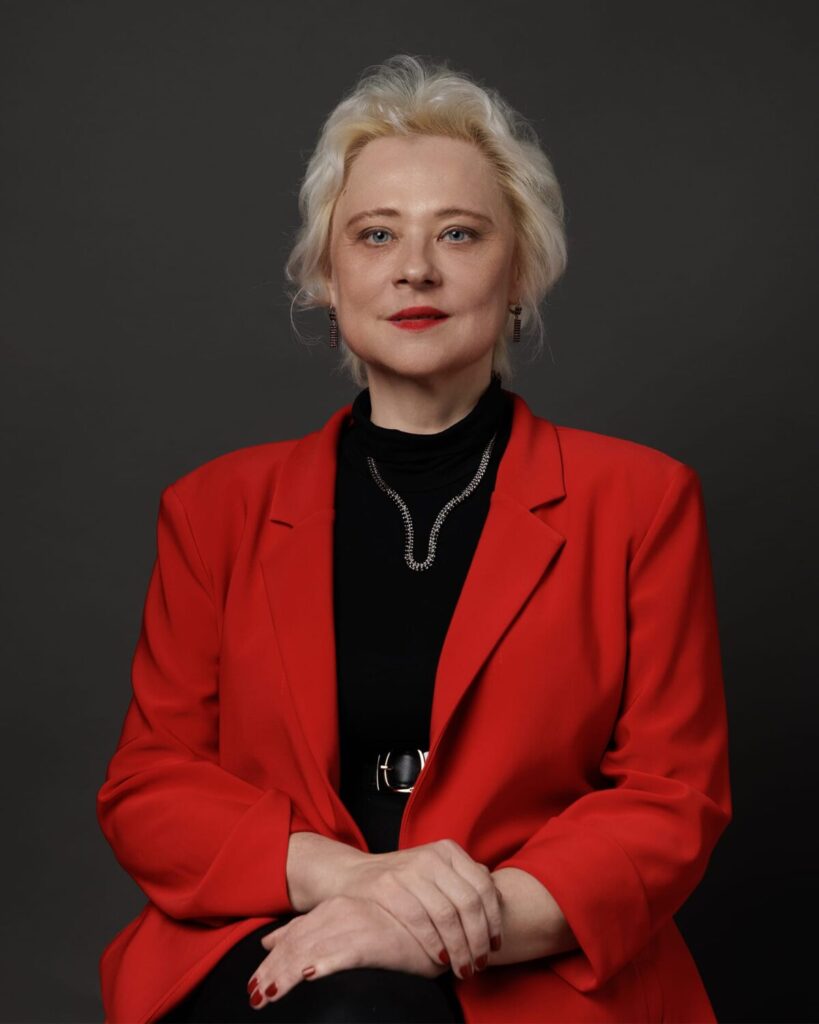
Светлана Пятигорская, ПК "Семейная медицина"
Hair Loss after Bariatric Surgery
When you undergo bariatric surgery for weight loss, you hope to achieve a better quality of life and freedom from low self-esteem and a multitude of health problems. You may not expect to have additional issues like losing your hair. And while the hair loss likely is only temporary, the condition can leave you disappointed in your results. Instead of continuing to doubt your decision to lose weight through medical means, find natural solutions to the side effects through an experienced hair loss expert at Svetlana Pyatigorskaya NP in Family Health PC in Downtown Manhattan. Call now to make an appointment
Hair loss after bariatric surgery is an expected side effect due to the sudden change in your nutrition and calorie intake. The bariatric surgical procedure alters your digestive system so you can lose weight. As a result, however, your hair may start to fall out after this surgery.
Why Does Bariatric Surgery Cause Hair Loss?
The reasons for it include:
- Vitamin and mineral deficiency
- Hormone fluctuations
- Caloric restriction
- The trauma of the surgical procedure
- Medications, such as beta-blockers, anticoagulants and excess vitamin A
Светлана Пятигорская, a nurse practitioner and board-certified anti-aging specialist at Светлана Пятигорская, ПК "Семейная медицина" in New York City offers a range of solutions if you’re struggling with bariatric surgery hair loss. After your weight-loss procedure, this hair-loss specialist becomes your care provider for post-bariatric recovery.
When Will I Experience Bariatric Hair Loss?
Hair loss after losing weight from a bariatric surgical procedure usually occurs between three and six months after the surgery. This side effect affects about a third of all patients. Your bariatric surgeon explains the post-bariatric changes so you know what to expect before you undergo the procedure.
Make plans to visit Vitality in Lower Manhattan before your procedure so you can receive all the pertinent advice to help you prevent or minimize hair loss. Svetlana may recommend the use of potent bariatric vitamins.Factors that may influence bariatric surgery hair loss include:
- Type of surgery. People who undergo gastric bypass have a higher chance of bariatric hair loss than those who instead choose another weight loss surgery, such as gastric banding or gastric sleeve insertion, because the weight loss is more rapid. Medical history.
- Medical history. Some medical and psychological conditions, such as stress and high blood pressure, may make you more vulnerable to weight loss surgery hair loss.
- Use of medications. If you’re already on some medications that accelerate hair loss, the surgery may accelerate your hair loss.
- Poor diet. A lack of the proper nutrition can exacerbate the condition because your body is already pulling nutrients away from hair growth to vital organs that need it more.
How Can I Stop Hair Loss after Weight Loss Surgery?
There are various non-invasive options to manage hair loss after gastric bypass. While regrowth usually commences within a few months after the surgery, you can take some steps to prevent further hair loss, while accelerating its growth. For example, your nurse practitioner may advise you to:
- Eat nutrient-rich foods each day. Take vitamin and mineral supplements, such as iron and zinc. Take bariatric surgery hair loss vitamins with adequate B vitamins,
- folate, zinc and biotin, which you can get through Vitality. Supplements of B12 and calcium citrate with vitamin D also help with hair regeneration.
- Increase your protein intake to at least 60 grams a day.
- Avoid stress. Bariatric surgery and hair loss are closely related, and the stress of surgery is enough to cause hair loss. Reduce other sources of stress where you can.
- Visit Svetlana before your surgery for pre-bariatric advice and services to better prepare you for the procedure and its after-effects.
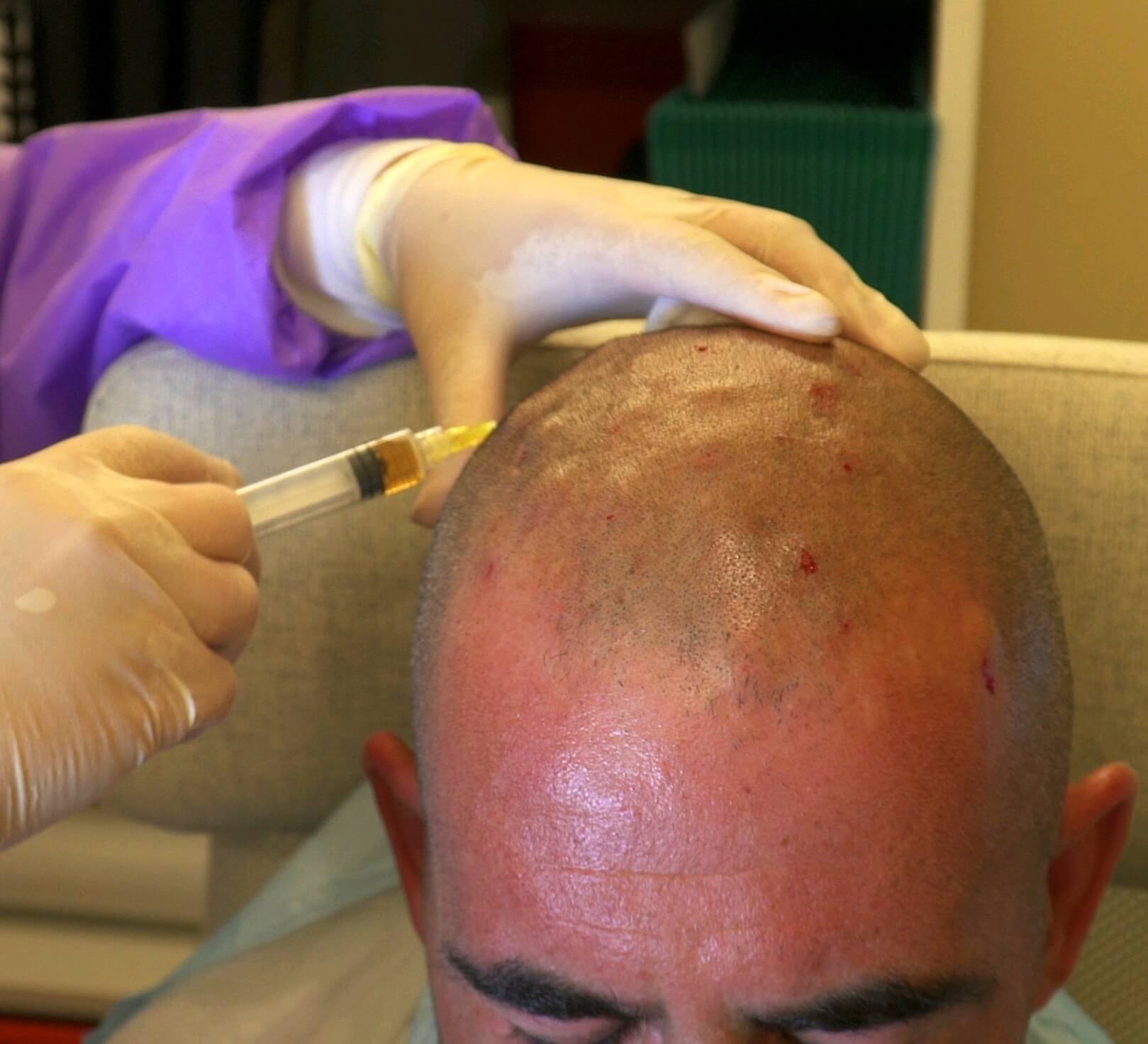
When these tips for preventing hair loss after bariatric surgery fail, talk to a post-bariatric hair loss specialist. At Svetlana Pyatigorskaya NP in Family Health PC, you get alternative hair loss treatment options that include PRP for hair loss, among other therapies.
The NYC clinic uses a multi-disciplinary approach tailored to your individual situation to deal with hair loss after bariatric surgery. Through complex and individualized post-bariatric care guidelines, expect better outcomes for both your nutritional and hair loss issues. Contact the clinic today to schedule an appointment and get lasting solutions for your bariatric surgery hair loss problem.
Войдите Прикосновение!
Светлана Пятигорская — сертифицированный семейный медицинский практик и практикующий специалист по антивозрастному здоровью, сертифицированный Американским советом. Она проживает и практикует в Нью-Йорке.
Bariatric Surgery Hair Loss – Expert Answers to Common Questions
Hair loss after bariatric surgery is usually due to the body’s response to rapid weight loss and physiological stress. Nutrient deficiencies, especially in protein, iron, zinc, biotin, and vitamins, along with hormonal changes, can push hair follicles into a resting phase, leading to temporary shedding.
Hair shedding often begins 3–6 months after surgery and typically improves within 6–12 months as the body stabilizes and nutrient levels normalize.
No. Most post-surgical hair loss is temporary. Hair usually re-grows as the body recovers and nutritional status improves. Persistent shedding beyond six months should be evaluated by a healthcare provider.
Deficiencies in protein, iron, zinc, biotin, folate, and vitamins can impact hair growth. Adequate supplementation and a nutrient-rich diet are crucial to prevent deficiency-related shedding.
Yes. Maintaining sufficient protein intake and taking recommended bariatric-specific vitamins, including iron, zinc, biotin, B vitamins, and vitamin D, supports hair health and promotes regrowth.
Consult your healthcare provider if shedding continues beyond six months, worsens rapidly, or is accompanied by other deficiency symptoms such as fatigue or brittle nails.
For severe or prolonged hair loss, treatments such as topical therapies, specialized nutrient protocols, or advanced options like platelet-rich plasma (PRP) therapy may be recommended under professional guidance.
Follow your post-surgery nutrition plan, ensure adequate protein and micronutrient intake, stay hydrated, manage stress, and attend regular follow-ups with your bariatric care team to monitor and adjust your supplementation.
Светлана Пятигорская, FNP-BC, является сертифицированным семейным фельдшером и основателем Vitality NP NYC – Светлана Пятигорская NP в Family Health PC в Нью-Йорк. Обладая более чем 30-летним опытом работы в клинической сфере здравоохранения, она специализируется на первичной медико-санитарной помощи, функциональной медицине, антивозрастной медицине, оптимизации гормонов и профилактическом здравоохранении. Ее практика объединяет научно обоснованную медицинскую помощь с передовыми терапевтическими методами долголетия и метаболизма для разработки персонализированных, ориентированных на пациента планов лечения, направленных на долгосрочное благополучие и измеримые результаты для здоровья.
Она имеет следующие профессиональные квалификации и дополнительное образование:
- Сертифицированный семейный практикующий медбрат (FNP-BC)
- Американский совет практикующих врачей в области антивозрастной медицины
- Расширенная сертификация по функциональной и интегративной медицине
- IV Нутриционная Терапия и Биомолекулярные Протоколы Лечения
- Биоидентичная гормональная заместительная терапия (БГЗТ)
- Медицинское управление весом и метаболическая оптимизация
- Регенеративная и эстетическая медицина (включая PRP и микронидлинг)
Ее клиническая философия делает упор на оценку первопричин, профилактическую медицину и индивидуальные стратегии ухода, разработанные для улучшения жизненной силы, балансировки гормонов, улучшения метаболических функций и поддержки здорового старения.