





- ДОМ /
- Первичная медико-санитарная помощь
Первичная медико-санитарная помощь
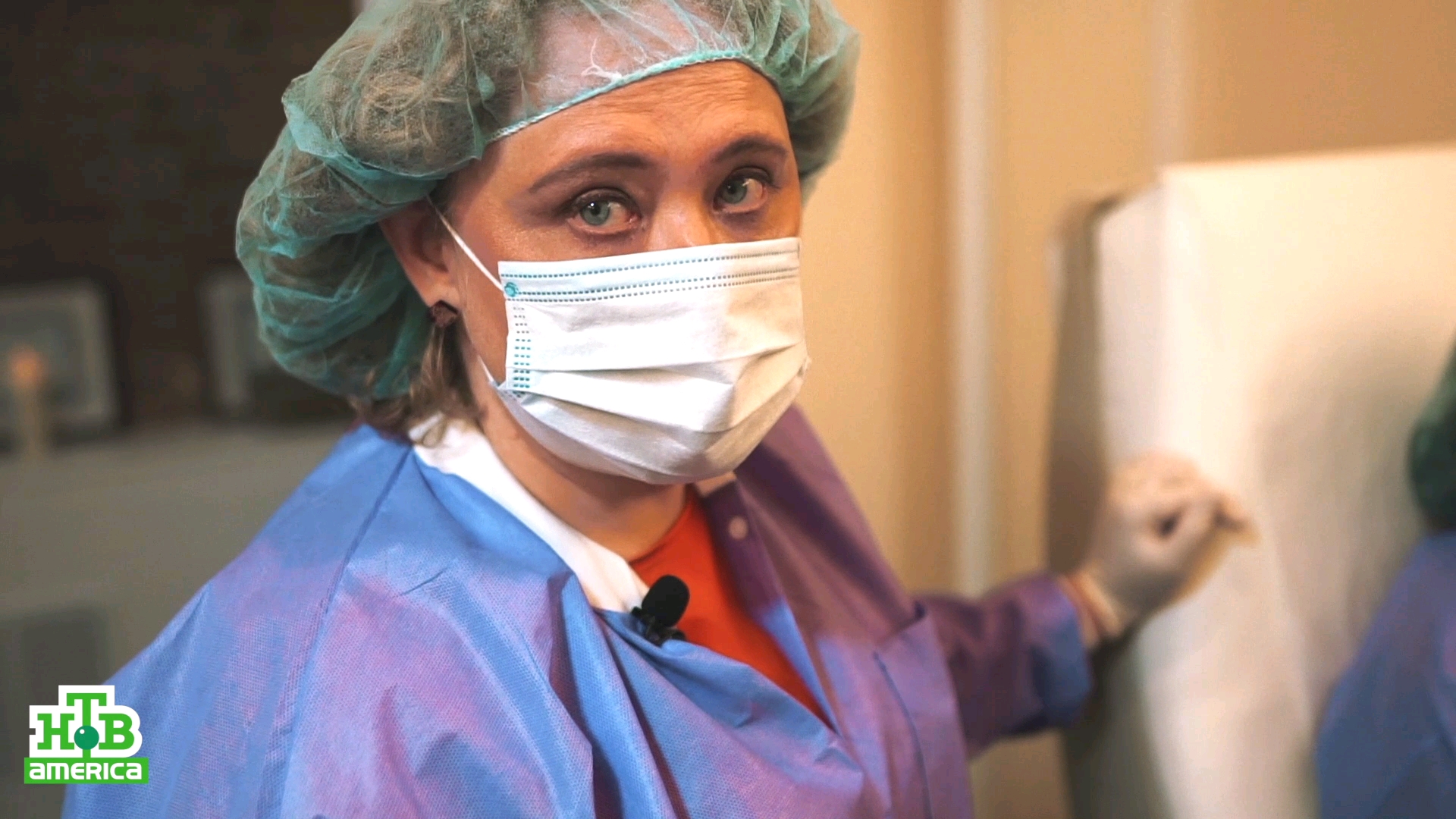
Primary care may not be the most impressive area of medicine. Still, it is a specialty that is needed for every person, regardless of age or gender. Even if you feel good and have no complaints, you need a basic check-up once a year that includes a physical exam, basic bloodwork, and an EKG. Also, depending on age and gender, you may need a referral for evidence-based preventive services, such as a GYN exam, mammogram, or GI referral.But the most significant part of primary care is the management of acute and chronic illness. The issue, whether minor (such as a flu) or long-termmajor(such as hypertension, diabetes, or arthritis), needs medical attention and professional care. Primary Health Care Brooklyn NY focuses on helping you have the most productive life as long as possible and make the most of any health situation. It is not just a prescription; it is on-time, personalized advice and intervention that help you manage your disease and improve the quality of your life.
Frequently Asked Questions - Primary Care:
Primary care helps detect health issues early, manage ongoing conditions, and reduce the risk of serious complications. It also provides continuity of care and supports long-term health outcomes.
Visit frequency depends on individual health needs, but many adults benefit from at least an annual check-up. More frequent visits may be recommended for those with ongoing health conditions.
A typical visit may include a review of medical history, discussion of symptoms or concerns, physical examination, and recommendations for tests, treatments, or lifestyle changes.
Yes, primary care providers often manage conditions such as diabetes, high blood pressure, and high cholesterol. They monitor progress, adjust treatments, and coordinate care when needed.
Yes, regular visits help monitor overall health, identify potential risks early, and maintain preventive care even if no symptoms are present.
Primary care providers can refer patients to specialists when more advanced or specialized care is needed, ensuring coordinated and comprehensive treatment.
Patients are typically advised to bring medical history information, a list of current medications, relevant test results, and any questions or concerns they would like to discuss.
Запишитесь на прием сегодня!
Светлана Пятигорская — сертифицированный семейный медицинский практик и практикующий специалист по антивозрастному здоровью, сертифицированный Американским советом. Она проживает и практикует в Нью-Йорке.
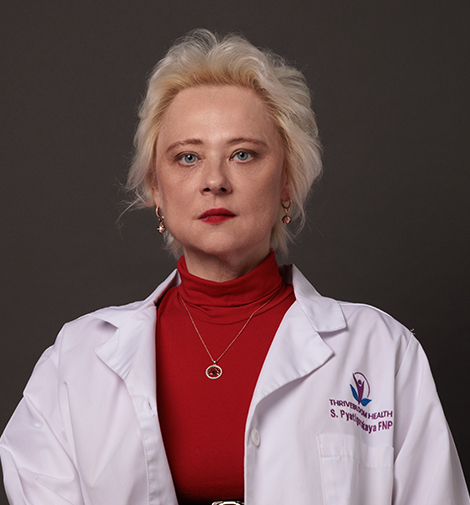
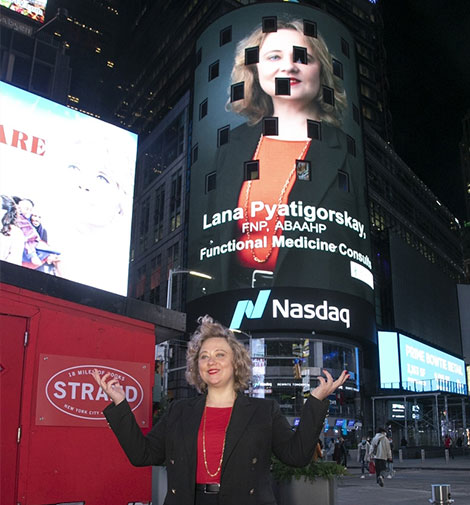
Светлана Пятигорская
Сертифицированный семейный медбрат-практик
Медицинский колледж МедиТраст,
Университет медицинских наук SUNY Downstate в Бруклине. Светлана Пятигорская — сертифицированный семейный медицинский сестра и американский медицинский специалист по вопросам антивозрастной медицины. Она живет и практикует в Нью-Йорке.
Контакт
- 212-763-3323
- svetlpya69@gmail.com
- 380 Нептун-авеню, Бруклин, Нью-Йорк 11235