





- ДОМ /
- Похудение для мужчин
Похудение для мужчин


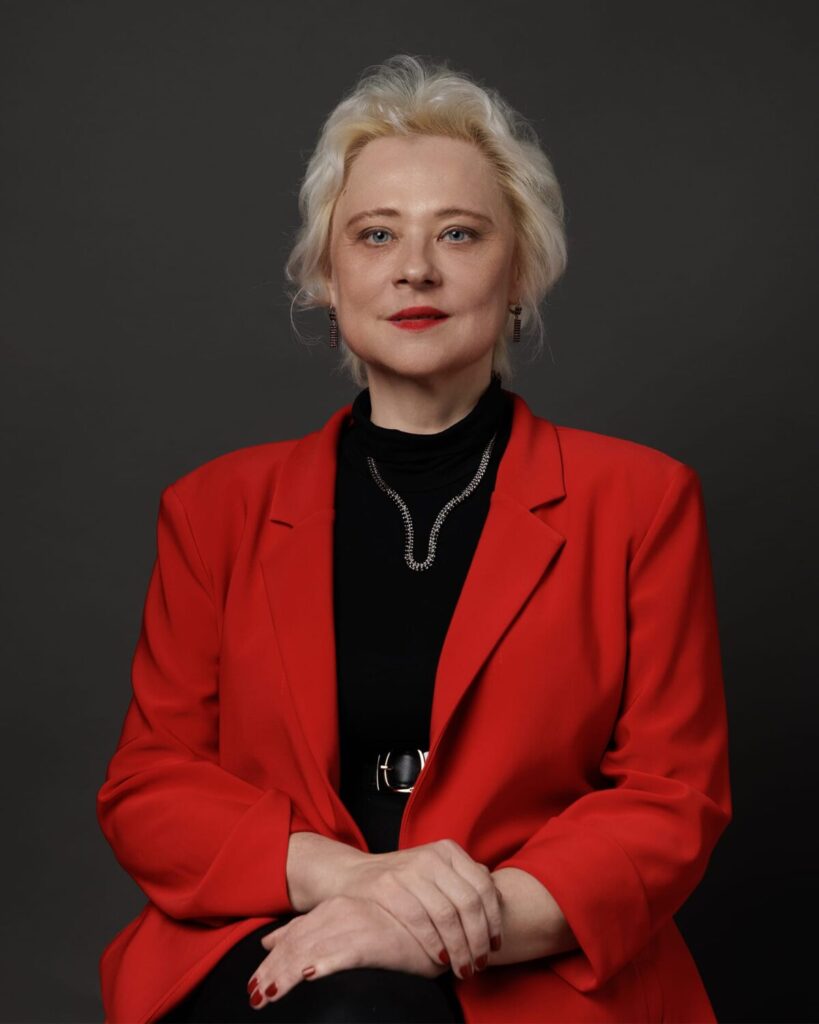
Светлана Пятигорская, ПК "Семейная медицина"
Похудение для мужчин
Why Should I Be Concerned about My Weight?
Men who are overweight or obese are more prone to diabetes, high blood pressure, high cholesterol, heart disease, osteoarthritis and even hair loss. The extra weight causes many of your body’s systems to struggle, and the added stress may lead you to an early death. Weight loss for men, therefore, extends your life expectancy and allows you to participate more freely in life. Светлана Пятигорская, ПК "Семейная медицина" in Downtown New York City creates the best personalized programs for weight loss. Of all the things you can do to lose weight, though, diet and exercise are the most fundamental, according to family nurse practitioner Svetlana Pyatigorskaya. Successful, long-lasting weight loss programs for men must include:
- Reducing your caloric intake
- Increasing your physical activity
- Making some behavior changes
Why Do Men Shy Away from Dieting?
Men lose weight in different ways than women. According to studies about men and dieting, there are specific barriers to men’s weight loss. Some of these include:
- Men have no knowledge of weight loss practices.
- They don’t want to commit to a long program.
- Men want programs specifically designed for them.
- They want to be allowed treats and cheat times, which most diets don’t allow.
Dieting has become complex. It’s not just a matter of eating less and moving more. Studies show that what you eat is just as or more important as how much you eat. Common guidelines for a successful diet for men include:
- Use smaller plates so the amount you’re eating looks larger
- Keep a food diary to track what you eat, including the time, the place and your mood at the time
- Shop with a grocery list
- Never go food shopping hungry
- Plan your meals, including your lunches
- Eat at home as much as possible to control portion size
- Consume whole foods like fruits, vegetables and nuts
- Include unsaturated fats, lean proteins and whole grains
Why Is Exercising Required?
One fact that hasn’t changed about losing weight is that you must burn more calories than you consume. If you aren’t moving, you’re not burning calories. Exercise at least 30 minutes a day, every day. Ideas for beginning exercise include:
- Doing yoga
- Walking
- Swimming
- Dancing
- Participating in your favorite sport
What if I Don’t Want to Change My Behavior?
Behavioral changes remove temptations and obstacles to your success. Behavioral changes, however, may be the toughest aspect of losing weight. You may need to examine and possible change anything you do in your day-to-day routine that involves eating. Some examples of simple behavior changes include:
- Change your commute to avoid favorite haunts
- Don’t buy food that’s not on your diet plan
- Eat your lunch in a different place or at a different time to avoid coworkers who aren’t eating in a healthy way
- Create new routines with your home meals so healthy eating becomes second nature
Changes to your behavior help you keep to the new diet and exercise habits you’re cultivating. New habits have a greater chance of succeeding if you change everything, including where and how you eat. Remember that it only takes three weeks for a new habit to take.
What Should I Do if I’m Still Struggling?
Медицинское снижение веса involves a multi-pronged approach. It can even include surgery to shrink the size of your stomach, but surgery is usually reserved for serious cases. Other options include:
- Medical injections
- Compounded pills to control appetite
- Пептидная терапия
- Hormone treatments
- Intravenous (IV) therapy
When all else fails, bariatric surgery may be an option. Svetlana at Svetlana Pyatigorskaya NP in Family Health PC offers pre-surgery preparations и post-operative care that improve the odds that your surgery will be successful long-term. When you’re ready to start the best eight loss program for men, contact this New York City health clinic.
Светлана Пятигорская, FNP-BC, является сертифицированным семейным фельдшером и основателем Vitality NP NYC – Светлана Пятигорская NP в Family Health PC в Нью-Йорк. Обладая более чем 30-летним опытом работы в клинической сфере здравоохранения, она специализируется на первичной медико-санитарной помощи, функциональной медицине, антивозрастной медицине, оптимизации гормонов и профилактическом здравоохранении. Ее практика объединяет научно обоснованную медицинскую помощь с передовыми терапевтическими методами долголетия и метаболизма для разработки персонализированных, ориентированных на пациента планов лечения, направленных на долгосрочное благополучие и измеримые результаты для здоровья.
Она имеет следующие профессиональные квалификации и дополнительное образование:
- Сертифицированный семейный практикующий медбрат (FNP-BC)
- Американский совет практикующих врачей в области антивозрастной медицины
- Расширенная сертификация по функциональной и интегративной медицине
- IV Нутриционная Терапия и Биомолекулярные Протоколы Лечения
- Биоидентичная гормональная заместительная терапия (БГЗТ)
- Медицинское управление весом и метаболическая оптимизация
- Регенеративная и эстетическая медицина (включая PRP и микронидлинг)
Ее клиническая философия делает упор на оценку первопричин, профилактическую медицину и индивидуальные стратегии ухода, разработанные для улучшения жизненной силы, балансировки гормонов, улучшения метаболических функций и поддержки здорового старения.
Weight Loss for Men: Frequently Asked Questions
Men often have higher muscle mass and a faster metabolism, which can influence calorie needs, fat distribution, and the approach to weight loss.
Successful weight loss typically involves a combination of a balanced diet, regular strength and cardiovascular exercise, and sustainable lifestyle changes.
Maintaining or building muscle helps increase metabolism, burn more calories, and support long-term fat loss while improving overall strength and body composition.
Diet plans should focus on adequate protein, healthy fats, complex carbohydrates, and nutrient-rich foods while creating a moderate caloric deficit tailored to individual goals.
Exercise is essential for fat loss, maintaining muscle mass, improving cardiovascular health, and boosting energy levels. Both strength training and aerobic activity are important.
Yes, low testosterone or other hormonal imbalances can impact metabolism, fat storage, and energy, making weight loss more challenging without proper evaluation and management.
Initial improvements can often be noticed within a few weeks, but significant and sustainable weight loss typically occurs over several months with consistent effort.
Yes, losing excess weight can reduce the risk of heart disease, diabetes, high blood pressure, and improve energy, mood, and overall quality of life.
Medical supervision ensures safe and effective strategies, personalized plans, and monitoring of health markers, especially for men with underlying health conditions.
Lifestyle habits such as sleep, stress management, meal planning, and regular physical activity are critical for maintaining weight loss and promoting overall health over the long term.
Свяжитесь с нами!
Светлана Пятигорская — сертифицированный семейный медицинский практик и практикующий специалист по антивозрастному здоровью, сертифицированный Американским советом. Она проживает и практикует в Нью-Йорке.