




- ДОМ /
- Occupational health visit
Occupational health visit

What is an occupational health visit? It is a physical exam that you may be required to have once a year for your job. Often, people mistake it for a personal health check-up, but it is not. The goal of an occupational health exam is to establish what you are safe to be on your job. Not all occupations require this type of exam. But if you work with people — like a health care worker, a schoolteacher, or someone in another profession that requires frequent social contact with people — a periodic physical exam may be mandatory. Those exams are regulated by official organizations, such as the Department of Health, and both your employer and the health care professional doing this exam for you must obey the requirements of the exam established by those officials.
A physical exam for professional drivers (CDL certification) is another example of an occupational physical exam.
Important to understand: an occupational exam is not a substitute for your annual personal health check-up. It is an administrative exam that focuses more on public safety than on your personal well-being.
For this very reason, occupational health exams are not covered by medical insurance, and you or your employer must pay the fee
FAQs - Occupational Health Visit:
An occupational health visit is a medical consultation designed to assess and support employee health, workplace safety, and overall well-being in a professional environment.
These visits help prevent workplace-related illnesses or injuries, ensure compliance with safety regulations, and support employee productivity and long-term health.
Employees in various industries, especially those exposed to physical, chemical, or ergonomic risks, are typically encouraged to attend. New hires or employees returning from extended leave may also require evaluations.
Yes, regular visits allow healthcare providers to identify early health concerns, provide preventive guidance, and reduce the risk of work-related or chronic conditions.
Frequency depends on job risk factors, regulatory requirements, and company policies. Some employees may need annual evaluations, while others may require more frequent monitoring.
Medical supervision ensures accurate assessments, proper preventive measures, and safe recommendations tailored to both the employee’s health and workplace requirements.
Запишитесь на прием сегодня!
Светлана Пятигорская — сертифицированный семейный медицинский практик и практикующий специалист по антивозрастному здоровью, сертифицированный Американским советом. Она проживает и практикует в Нью-Йорке.
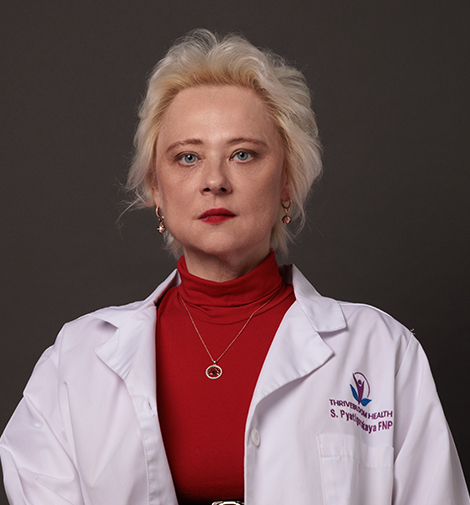

Светлана Пятигорская
Сертифицированный семейный медбрат-практик
Медицинский колледж МедиТраст,
Университет медицинских наук SUNY Downstate в Бруклине. Светлана Пятигорская — сертифицированный семейный медицинский сестра и американский медицинский специалист по вопросам антивозрастной медицины. Она живет и практикует в Нью-Йорке.
Контакт
- 212-763-3323
- svetlpya69@gmail.com
- 380 Нептун-авеню, Бруклин, Нью-Йорк 11235