


- ДОМ /
- Уход после бариатрической операции
Уход после бариатрической операции

Светлана Пятигорская, ПК "Семейная медицина"
Post-Bariatric Surgery
After you’ve chosen to undergo bariatric surgery or gastric bypass to lose weight, you can’t just go home and wait for the pounds to start dropping off. You have to learn a new way to live, one that includes a different attitude about food. Post-bariatric surgery care keeps you healthy while you lose weight. It’s a full plan that includes a bariatric post-op diet, exercise instruction, balanced nutrition and education about what you can and can’t do. To get started, call Svetlana Pyatigorskaya NP in Family Health PC in Downtown NYC.
What Is Bariatric Surgery?
A gastric bypass or bariatric surgery is a life-changing, minimally invasive procedure that alters your digestive process and results in rapid, significant weight loss. The procedure either removes or sections off part of your stomach, limiting the amount of both food you can eat and the nutrients your body can absorb. As a result, you have to alter your eating habits while making sure you still get the sustenance your body requires. It’s common for bariatric patients to become malnourished during the first 12 months following the surgery. Because the change in your normal diet can be drastic, you can benefit from a post-bariatric surgery diet and supplemental care. Светлана Пятигорская of Светлана Пятигорская, ПК "Семейная медицина" in Downtown NYC guides your recovery and weight loss with a post-bariatric diet plan, nutrient-rich vitamin supplements and proper hydration.
How Do I Maintain Good Health Following Bariatric Surgery?
When you work with Svetlana on a post-bariatric surgery diet, you get the advice of a weight loss expert with more than three decades of experience in the medical field. And she offers more than just knowledge about your bariatric post-op diet; she provides appropriate vitamins, hydration and nutritional supplements to keep you healthy while you shed those pounds. When you follow Svetlana’s guidance at Svetlana Pyatigorskaya NP in Family Health PC, you can concentrate on losing weight. She’ll watch your health and make sure you’re on the right track. As board-certified family nurse practitioner and anti-aging specialist, she has the knowledge and experience to provide excellent care after your surgery by:
- Developing your post-bariatric diet plan
- Giving you a post-bariatric education so you get the most out of your lifestyle changes
- Implementing an exercise program that fits your individual goals and limitations
- Providing emotional support and aftercare
Do I Need to Change My Diet?
Depending on how quickly your body heals from the bariatric surgery, you have to limit your diet. Bariatric post op-diet plans typically begin with liquids. Once your body resumes its normal digestive functions, usually after the first week, you can begin eating pureed food. It normally takes fewer than 90 days of being on a soft food diet to return to solid foods. Essential dietary guidelines suggest that you must:
- Drink at least six glasses of water each day to keep your body hydrated
- Drink between meals, instead of while you’re eating
- Take your time chewing and swallowing smaller amounts of food
- Avoid fatty foods and empty carbohydrates
- Eat mainly proteins
- Do not drink alcohol
- Avoid coffee, tea, and sodas
- Supplement your food intake with complex multi-vitamins and vitamin supplements
Svetlana specializes in post-bariatric care, which includes carefully formulated post-bariatric surgery diet plans and exercise. She knows what to expect from your post-bariatric surgery recovery. For example, by maintaining your nutritional health, you minimize hair loss, which is common after gastric bypass и after bariatric surgery. When you adhere to your post-bariatric diet plan, you:
- Limit your food intake, which allows you stomach to heal without being stretched, since now no more than half its original size
- Continue your weight loss toward your goal while maintaining your health and vitality
- Decrease your risk of complications or consequences
- Keeps your digestive tract from being overloaded, which has its own set of consequences
What Are the Best Vitamins for Post-Bariatric Surgery?
At Svetlana Pyatigorskaya NP in Family Health PC in Lower Manhattan, Svetlana works diligently to recommend the best combination of vitamins and supplements to improve your health following bariatric surgery. You can take advantage of alternative medicine, such as intravenous (IV) therapy options designed to boost your immune system and insure adequate hydration. A vitamin C IV treatment, along with other nutrient-boosting injections, sustain your body following any gastric surgery. Svetlana Pyatigorskaya has spent years researching and developing her own post-bariatric surgery vitamins. You can take them from an IV or orally in liquid or pill form. To give you exactly what you need after surgery, the best vitamins for post-bariatric surgery have slightly higher amounts of:
- Витамин А
- Vitamins B1 and B12
- Витамин D
- Calcium citrate
- Железо
- Potassium
- Folate
Can I Skip Post-Bariatric Surgery Support?
Even with the surgery to limit your stomach size, you won’t stay healthy and lose weight unless you learn a new way to eat. A bariatric post-op diet, education and lifestyle changes all contribute to lasting weight loss. Without the post-bariatric surgery support offered by Svetlana Pyatigorskaya NP in Family Health PC, you may regain the weight, and that would be a shame, considering the hardships and expense of the surgery. Dangers of skipping the post-surgical support include:
- Anemia from iron deficiency
- Kidney damage or failure
- Depression and anxiety
- An eating disorder, such as bulimia or anorexia
- A decrease in bone density
- Confusion, short-term memory loss or irritability
- Low self-esteem or a poor self-image
- Addiction to drugs or alcohol
Finding the right support following your bariatric surgery helps you adapt to your new situation. And if you need post-bariatric plastic surgery in NYC, Svetlana can provide recommendations. Her care focuses on your needs, both physical and emotional. Свяжитесь со Светланой Пятигорской НП в Центре семейного здоровья ПК for the best post-bariatric surgery primary care.
Post-Bariatric Surgery Care: Frequently Asked Questions
Post-bariatric surgery care refers to the ongoing medical, nutritional, and lifestyle support required after weight loss surgery. It focuses on healing, maintaining weight loss, preventing complications, and ensuring proper nutrient intake.
After bariatric surgery, the body undergoes significant changes in digestion, nutrient absorption, and metabolism. Proper follow-up care helps reduce the risk of complications, supports recovery, and promotes long-term success.
The post-surgery diet progresses in stages, starting with liquids, then soft foods, and eventually solid meals. Patients are advised to eat small portions, prioritize protein intake, and stay well hydrated throughout recovery.
Protein plays a key role in healing and maintaining muscle mass during weight loss. Patients are typically encouraged to prioritize protein-rich foods to support recovery and overall health.
Staying hydrated is essential. Patients are generally advised to sip fluids throughout the day and aim for consistent intake while avoiding drinking during meals to reduce discomfort.
Patients are encouraged to adopt long-term habits such as eating slowly, practicing portion control, engaging in regular physical activity, and following structured meal patterns.
Yes, supplementation is often required because bariatric surgery can affect nutrient absorption. Common supplements may include multivitamins, calcium, vitamin B12, iron, and vitamin D to help prevent deficiencies.
Some individuals may experience nausea, vomiting, or dumping syndrome, a condition where food moves too quickly through the digestive system. Following dietary guidelines can help manage these symptoms.
Regular follow-ups are important, especially during the first year after surgery. Ongoing monitoring helps assess nutritional status, track progress, and identify any concerns early.
Light activity such as walking is usually encouraged soon after surgery, while more intense exercise is gradually introduced based on recovery and medical guidance.
Yes, long-term commitment is essential. Maintaining results requires consistent adherence to dietary guidelines, supplementation, and follow-up care.
Medical supervision helps ensure proper healing, nutritional balance, and early detection of potential complications. Ongoing support allows for personalized adjustments and better long-term outcomes.
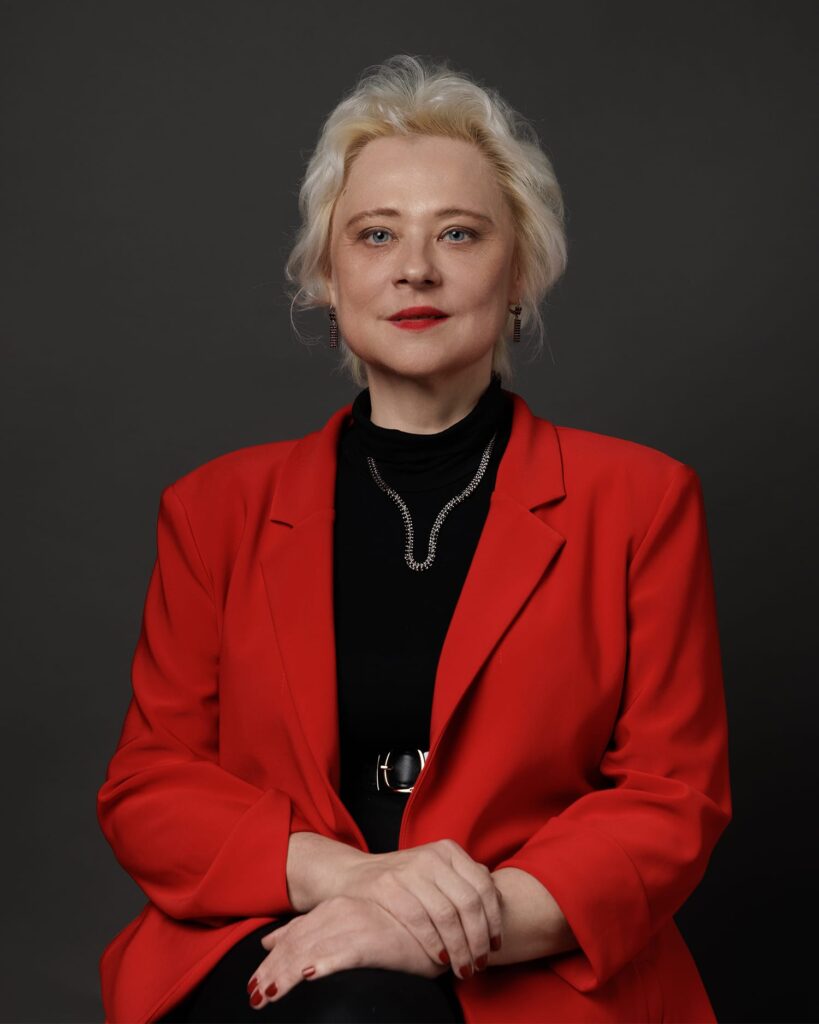
Светлана Пятигорская, FNP-BC, является сертифицированным семейным фельдшером и основателем Vitality NP NYC – Светлана Пятигорская NP в Family Health PC в Нью-Йорк. Обладая более чем 30-летним опытом работы в клинической сфере здравоохранения, она специализируется на первичной медико-санитарной помощи, функциональной медицине, антивозрастной медицине, оптимизации гормонов и профилактическом здравоохранении. Ее практика объединяет научно обоснованную медицинскую помощь с передовыми терапевтическими методами долголетия и метаболизма для разработки персонализированных, ориентированных на пациента планов лечения, направленных на долгосрочное благополучие и измеримые результаты для здоровья.
Она имеет следующие профессиональные квалификации и дополнительное образование:
- Сертифицированный семейный практикующий медбрат (FNP-BC)
- Американский совет практикующих врачей в области антивозрастной медицины
- Расширенная сертификация по функциональной и интегративной медицине
- IV Нутриционная Терапия и Биомолекулярные Протоколы Лечения
- Биоидентичная гормональная заместительная терапия (БГЗТ)
- Медицинское управление весом и метаболическая оптимизация
- Регенеративная и эстетическая медицина (включая PRP и микронидлинг)
Ее клиническая философия делает упор на оценку первопричин, профилактическую медицину и индивидуальные стратегии ухода, разработанные для улучшения жизненной силы, балансировки гормонов, улучшения метаболических функций и поддержки здорового старения.
Войдите Прикосновение!
Светлана Пятигорская — сертифицированный семейный медицинский практик и практикующий специалист по антивозрастному здоровью, сертифицированный Американским советом. Она проживает и практикует в Нью-Йорке.