



- ДОМ /
- Выпадение волос после операции
Выпадение волос после операции
Светлана Пятигорская, ПК "Семейная медицина"
Hair Loss after Surgery
Does Surgery Cause Hair Loss?
Unfortunately, surgery is often responsible for hair loss. There are several different reasons why you may lose hair after a surgical procedure. Surgery can be a tremendous shock to your body, and losing hair is a common reaction to the trauma. Hair loss after bariatric surgery и following gastric bypass surgery often occurs because of the drastic reduction in caloric nutrients you consume.
Choose the very best healthcare providers available in NYC to prevent hair loss after surgery or to help you with rapid regrowth following your procedure. The nurse practitioner/owner of Светлана Пятигорская, ПК "Семейная медицина" in Downtown Manhattan, Светлана Пятигорская, has more than 30 years of medical experience and decades of experience with hair regeneration. She’s a board-certified anti-aging specialist and a member of both:
- Alcoholism and addiction
- The Cellular Medicine Association.
What Causes Hair Loss After Surgery?
Hair loss after surgery is quite common, especially among older patients. Telogen effluvium is the medical term for temporary but heavy shedding that may or may not be directly related to the surgery. Instead, it may result from the stress you felt before, during and after the surgery. Your body reacts to the stress by attacking your scalp.The American Hair Loss Association says telogen effluvium is the second-most common cause of hair loss. It’s characterized by non-scarring, non-inflammatory shedding. It’s most noticeable about two months after surgery and may be either acute or chronic. While not understood completely, researchers have linked telogen effluvium to main two mechanisms:
- Nervous system.
Sensory nerves around the hair follicles become stressed during the surgery and release a neuropeptide known as substance P. Normally associated with pain transmission, substance P is also responsible for stress-related hair loss.
- Hormonal imbalance.
Surgery-induced stress creates a hormonal imbalance that leads to thinning and balding on your scalp. During the surgery, your body’s adrenal glands release cortisol. Also known as your “fight or flight” hormone, it causes your body to tense up, and the blood vessels surrounding your hair follicles constrict. This vasoconstriction leads to hair loss.
Does Weight Loss Result in Hair Loss?
Weight loss often causes hair loss, and bariatric surgery patients are especially vulnerable to losing hair. In addition to the stress of the surgery, your body has to deal with receiving less food and nutrition than it did before. When your body suffers from this deprivation, hair loss is a common result.
Fortunately, there are several ways you can mitigate your hair loss after weight loss — proper nutrition and vitamin supplementation are fundamental to maintaining your overall health and hair regrowth following weight loss surgery. Svetlana, your weight loss specialist at Svetlana Pyatigorskaya NP in Family Health PC in Downtown New York City, cautions you to be extra vigilant about getting enough of the important nutrients necessary for hair growth, including:
- Protein
- Железо
- Zinc
- Мультивитамины
Even better, you may want to start a regimen of bariatric vitamins. Scientists designed bariatric vitamins specifically for the needs of weight loss and hair loss. They’re available along with a host of other nutrient-rich treatments at Vitality. Bariatric vitamins have substantially higher levels of vitamins and minerals, especially:
- Витамин А
- Витамин D
- Витамин B12
- Железо
- Кальций
Are Treatments Available for Hair Loss After Surgery?
If you choose Svetlana Pyatigorskaya NP in Family Health PC for your предбариатрическая хирургия и post-bariatric-surgery journeys, you get the best possible care for all your needs, including hair loss. Your nurse practitioner offers a complete hair loss treatment regimen, including Инъекции PRP, to promote hair growth.
PRP injections for hair loss represent a cutting-edge technology that employs platelet-rich plasma, which has proven effective at treating both hair and skin problems, as evidenced by the power of a PRP facial. Platelets help regenerate cell growth and stimulate your dermal papilla cells in your scalp. Svetlana Pyatigorskaya NP in Family Health PC uses the branded procedure associated with Dr. Charles Runels.
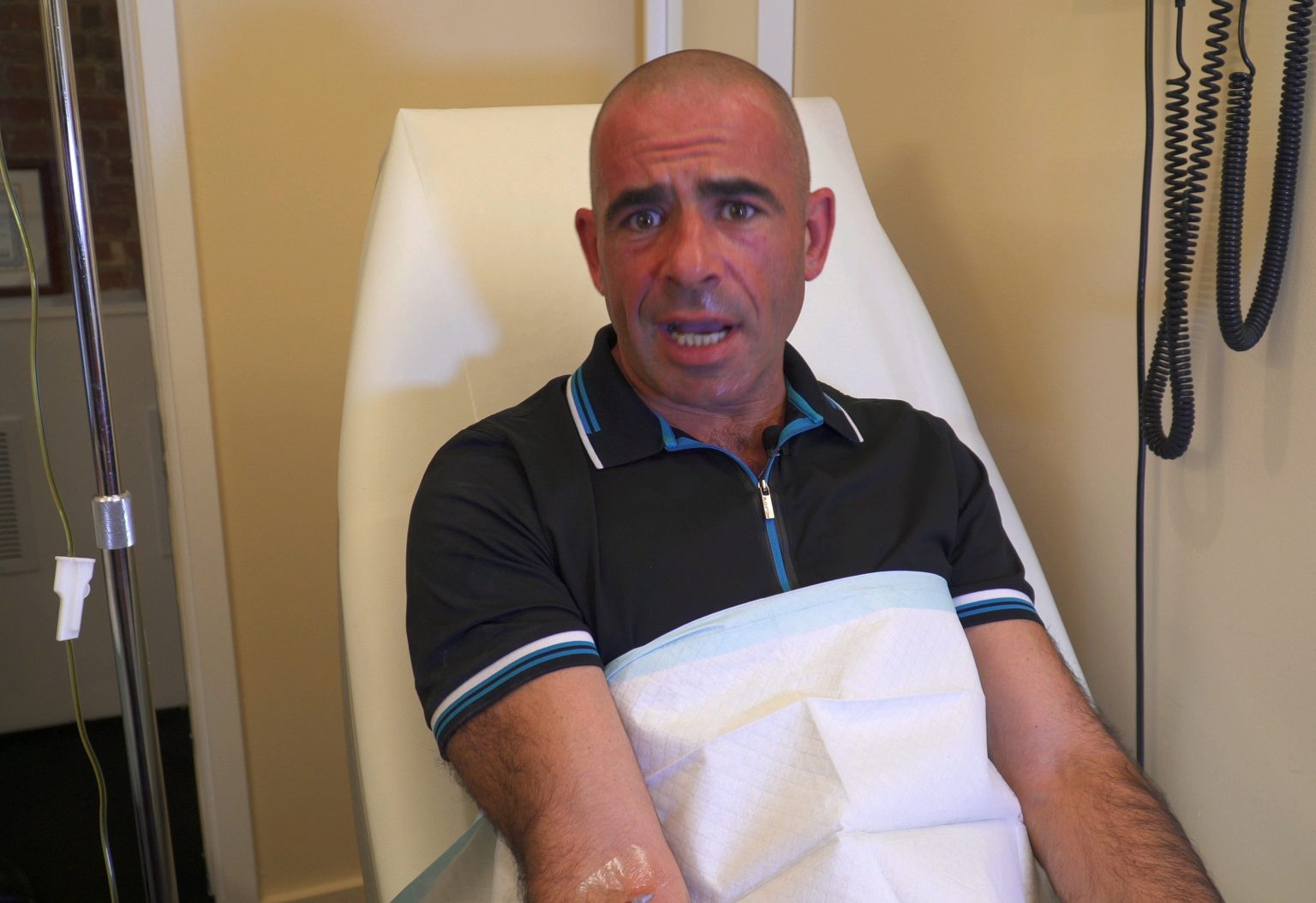
For weight loss or hair loss, Svetlana Pyatigorskaya has the experience and techniques you need. She even offers intravenous (IV) infusions to boost your nutrition while bypassing your sensitive and restricted gastrointestinal tract. Contact Vitality today <Link to Contact> to schedule your initial consultation. Begin your hair loss treatment before you undergo surgery to create the best path for a quick, painless and complete recovery.
Hair Loss after Surgery – Expert FAQs
Hair loss after surgery is often triggered by physiological stress, rapid changes in metabolism, and shifts in nutrient availability. These factors can push hair follicles into a resting phase, causing increased shedding.
Hair shedding can occur after major surgeries, especially those involving significant weight loss, extended recovery, or changes in nutrition and metabolism.
Hair shedding usually begins several weeks to a few months after surgery, often peaking around 3–6 months as the body adapts to new physiological demands.
In most cases, post‑surgical hair loss is temporary. Hair typically begins to re-grow as the body recovers; nutrient levels normalize, and stress on hair follicles decreases.
Common causes include:
- Physiological stress from surgery
- Rapid changes in nutrition or weight
- Nutrient deficiencies (protein, iron, zinc, vitamins)
- Hormonal fluctuations
- These factors can disrupt the normal hair growth cycle.
Yes. Ensuring adequate protein intake and proper supplementation of essential vitamins and minerals supports hair follicle health and can reduce the severity of shedding.
If hair loss continues beyond six months, accelerates rapidly, or is accompanied by other symptoms like fatigue or brittle nails, it’s important to consult a healthcare provider for evaluation.
For prolonged or severe hair loss, medical treatments such as topical applications, specialized nutrient protocols, or advanced therapies may be recommended under professional guidance.
Hair re-growth varies among individuals, but many people notice improvement several months after the shedding phase as nutrition and physiological balance improve.
Support hair health by:
- Eating a balanced, nutrient rich diet
- Taking recommended supplements as advised
- Managing stress
- Getting adequate rest and recovery
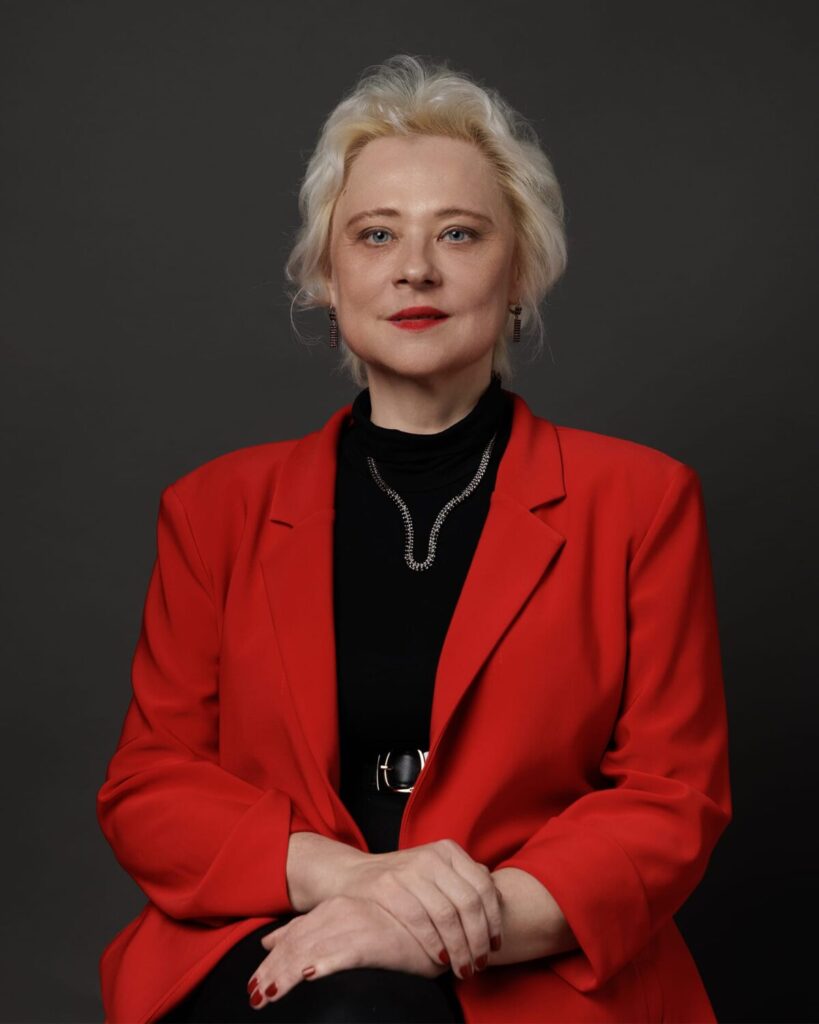
Светлана Пятигорская, FNP-BC, является сертифицированным семейным фельдшером и основателем Vitality NP NYC – Светлана Пятигорская NP в Family Health PC в Нью-Йорк. Обладая более чем 30-летним опытом работы в клинической сфере здравоохранения, она специализируется на первичной медико-санитарной помощи, функциональной медицине, антивозрастной медицине, оптимизации гормонов и профилактическом здравоохранении. Ее практика объединяет научно обоснованную медицинскую помощь с передовыми терапевтическими методами долголетия и метаболизма для разработки персонализированных, ориентированных на пациента планов лечения, направленных на долгосрочное благополучие и измеримые результаты для здоровья.
Она имеет следующие профессиональные квалификации и дополнительное образование:
- Сертифицированный семейный практикующий медбрат (FNP-BC)
- Американский совет практикующих врачей в области антивозрастной медицины
- Расширенная сертификация по функциональной и интегративной медицине
- IV Нутриционная Терапия и Биомолекулярные Протоколы Лечения
- Биоидентичная гормональная заместительная терапия (БГЗТ)
- Медицинское управление весом и метаболическая оптимизация
- Регенеративная и эстетическая медицина (включая PRP и микронидлинг)
Ее клиническая философия делает упор на оценку первопричин, профилактическую медицину и индивидуальные стратегии ухода, разработанные для улучшения жизненной силы, балансировки гормонов, улучшения метаболических функций и поддержки здорового старения.
Войдите Прикосновение!
Светлана Пятигорская — сертифицированный семейный медицинский практик и практикующий специалист по антивозрастному здоровью, сертифицированный Американским советом. Она проживает и практикует в Нью-Йорке.