





- ДОМ /
- Выпадение волос, связанное с набором веса
Выпадение волос, связанное с набором веса
Светлана Пятигорская, ПК "Семейная медицина"
Набор веса и выпадение волос
While they’re normally thought of as separate issues, sometimes, weight gain leads to a loss of your hair. One reason for this connection is your overall health. When you’re fully healthy, your skin, nails and hair all look healthy. When you start gaining unwanted weight, your overall health deteriorates. Look to the Manhattan-based integrative health practice at Svetlana Pyatigorskaya NP in Family Health PC and nurse practitioner Svetlana Pyatigorskaya for solutions. Call today for a consultation.
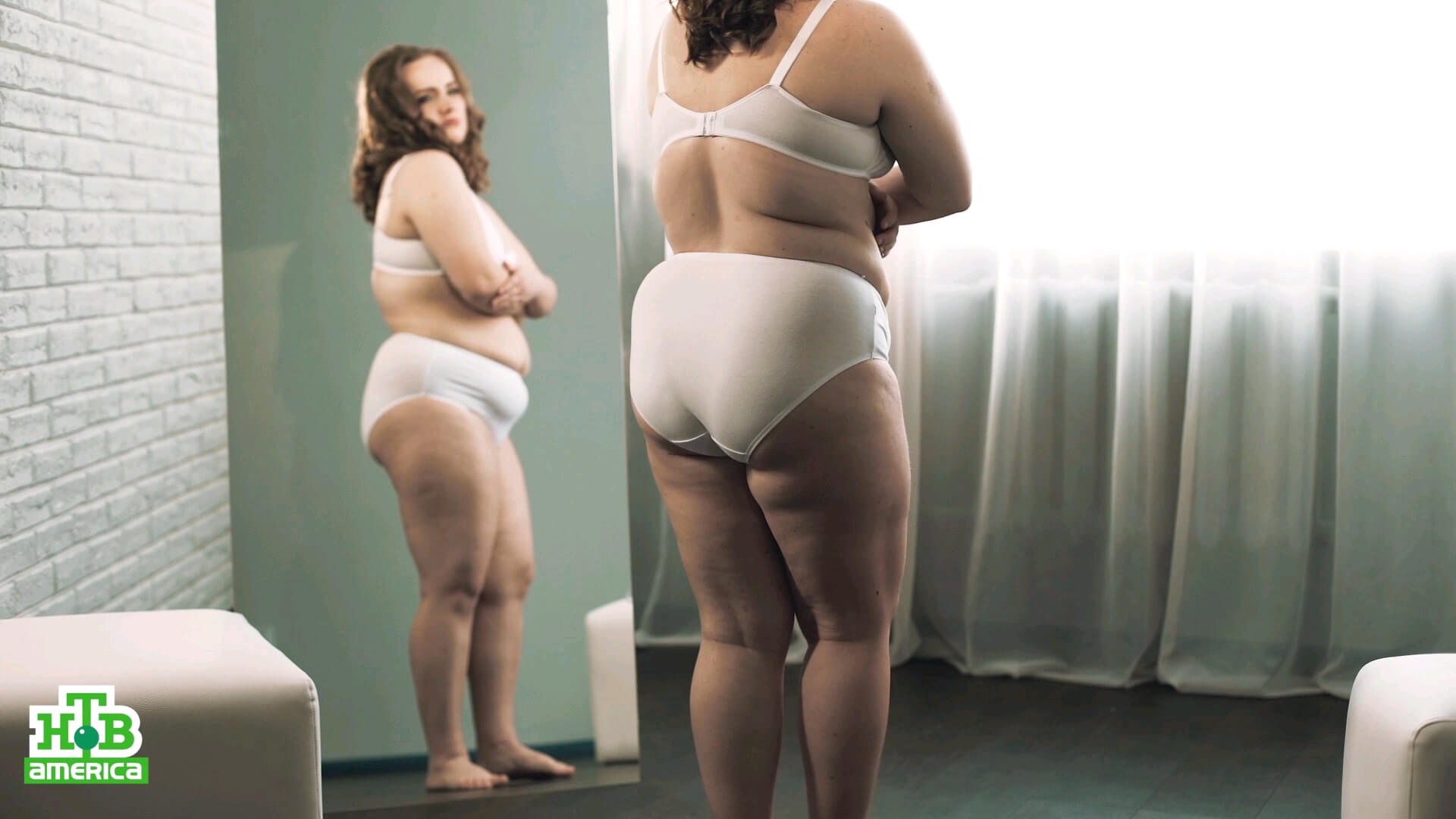
Is There a Link Between Weight Gain and Hair Loss?
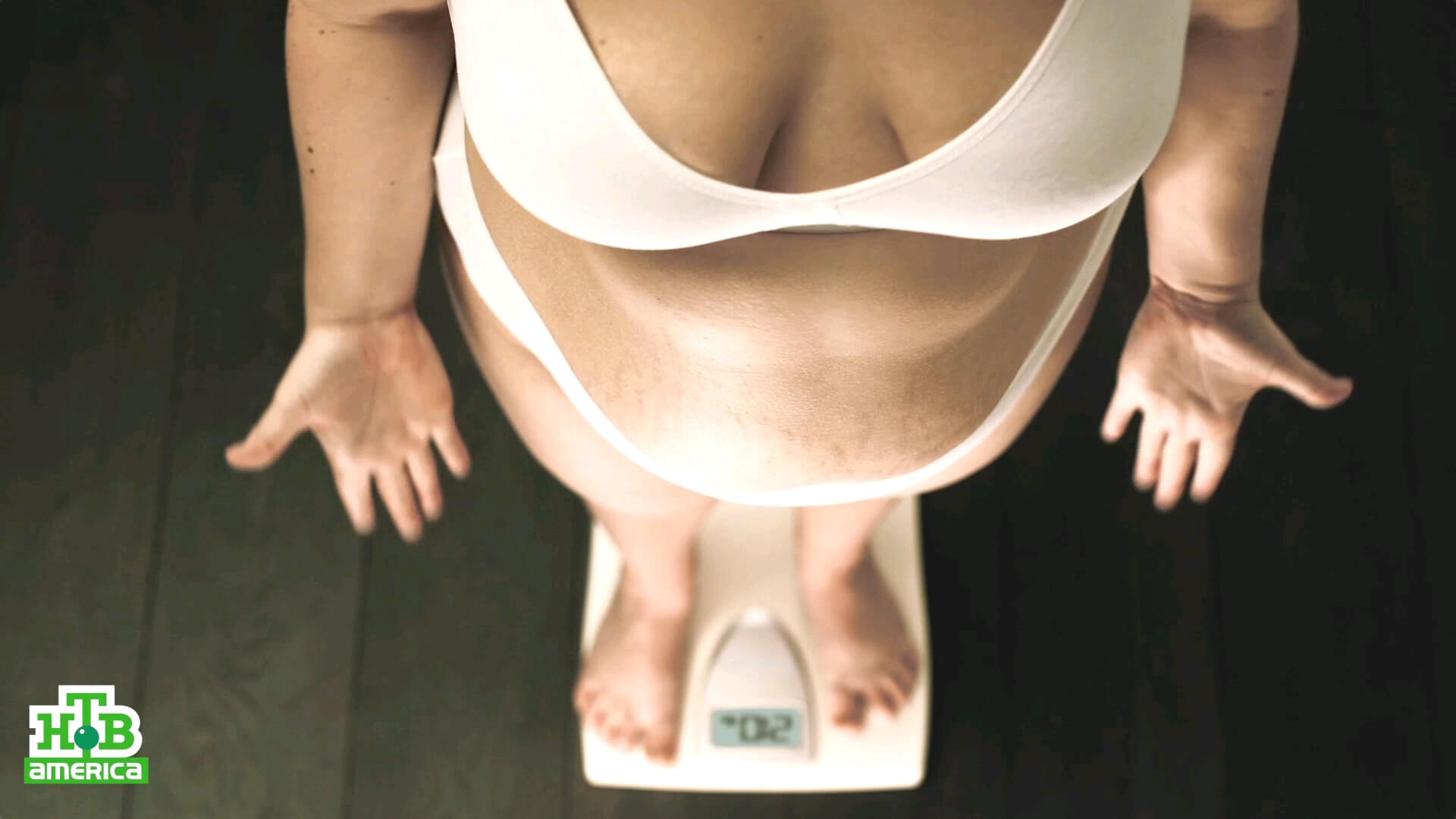
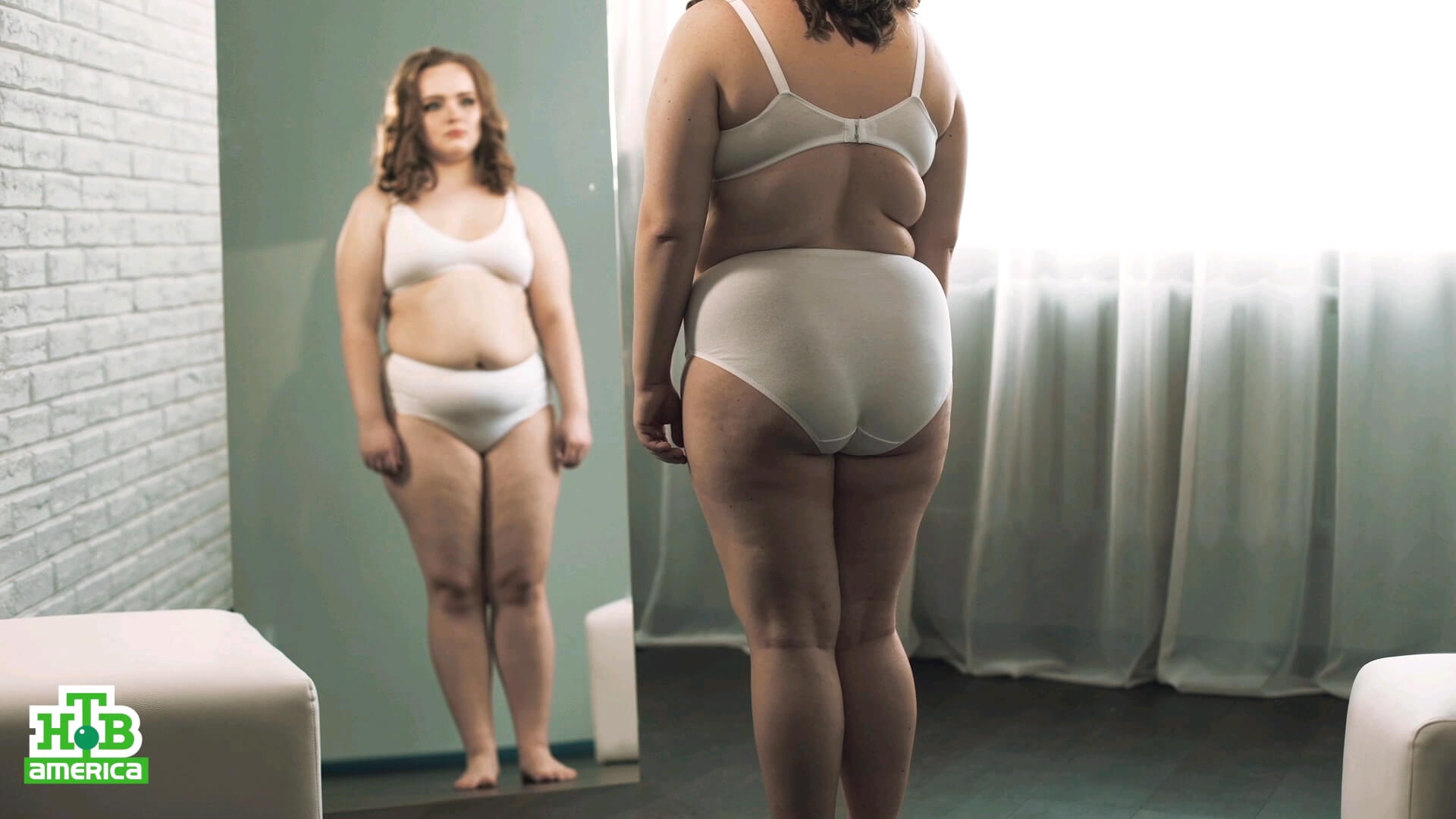
While no studies support a direct link between weight gain and hair loss, gaining weight generally impacts your entire body. Extra weight stresses your skeleton, musculature, immune system, skin and hair, so it’s possible there’s an indirect link. Certainly, acne breakouts and brittle hair seem to occur when you’re overweight. If you’re experiencing weight gain and hair loss, Svetlana Pyatigorskaya NP in Family Health PC can help you. This New York City holistic clinic successfully provides long-term solutions to age-related health issues and focuses on longevity treatments. Nurse practitioner Светлана Пятигорская ofers a variety of:
Who Suffers from Hair Loss?
How Do I Know What’s Causing My Hair Loss?
You can lose your hair due to many different causes, some of which may be underlying medical reasons. The first thing Svetlana during your consultation does is gather a complete medical and family history. A physical exam follows. Your Svetlana Pyatigorskaya NP in Family Health PC nurse practitioner looks for obvious reasons why your hair is falling out, such as:
- Cancer treatments
- Pregnancy or a recent birth
- Medications you’re taking
- Scalp psoriasis
- Hair care that uses high heat or chemicals
- Severe, repeated hairstyles that pull your hair back tightly in a ponytail or bun
- Friction from hats or — in the case of body hair — socks or shoes
- Infections that impact your skin
- Hair loss after surgery Pulling your own hair out as a form of anxiety relief
- Obesity
If necessary, you may need to undergo testing, such as a blood test. Lab results can indicate the reason for your hair loss, such as:
- Low thyroid function
- High levels of the hormone cortisol, which is a result of stress
- Polycystic ovarian syndrome (PCOS)
- Autoimmune issues, such as alopecia areata
- Nutritional deficiencies, including low levels of biotin, iron, protein or zinc
- Poisoning or poison consumption
- Sexually transmitted diseases
Can Hair Loss Be Reversed or Stopped?
- A topical compounding formula that you rub into your skin
- Home-based peptide therapies like cream, nasal spray or tablets
- Platelet-rich plasma (PRP) therapy, administered via an injection or an intravenous treatment, possibly given at the same time as peptide therapy
- Exosome therapy
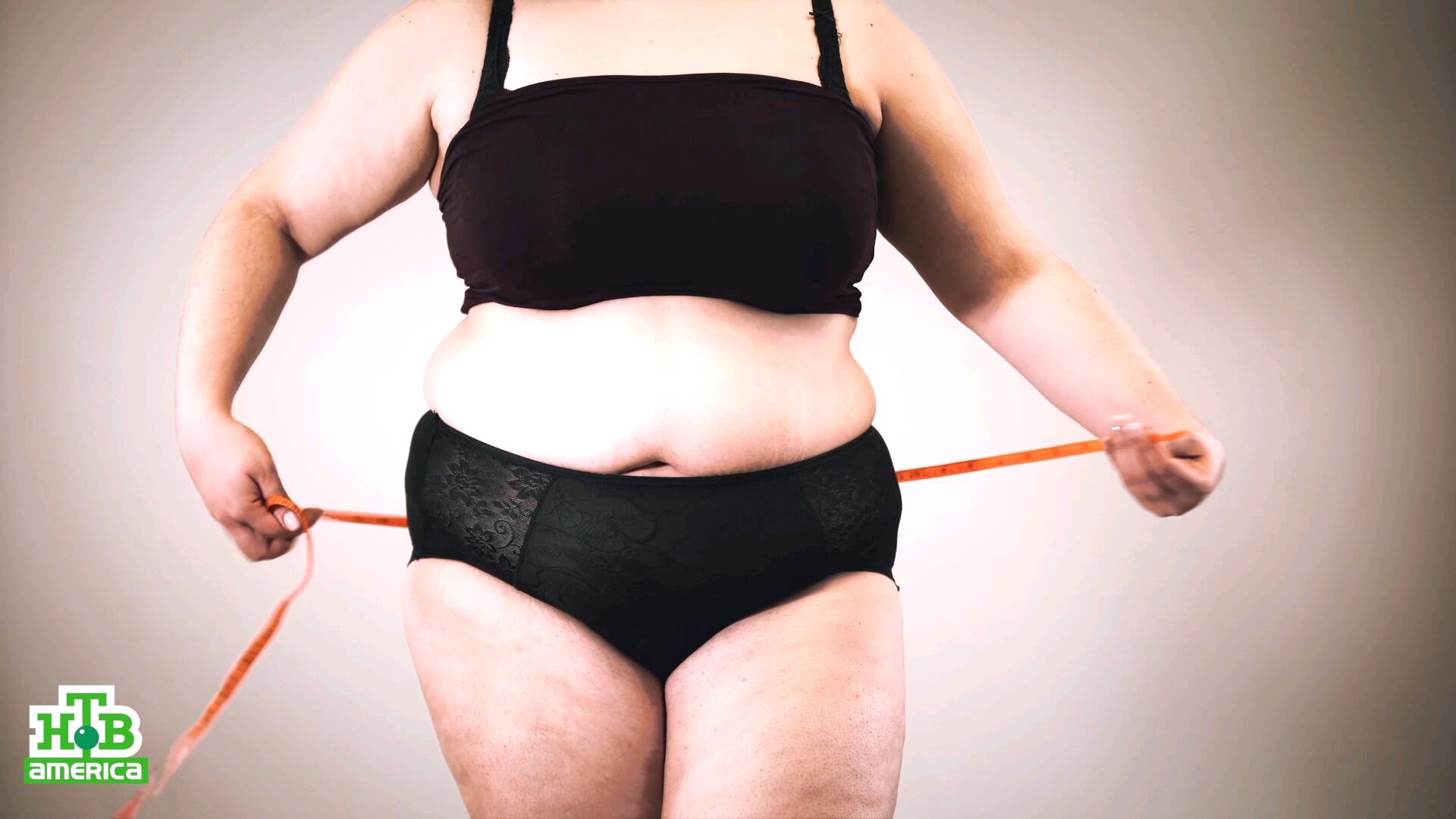
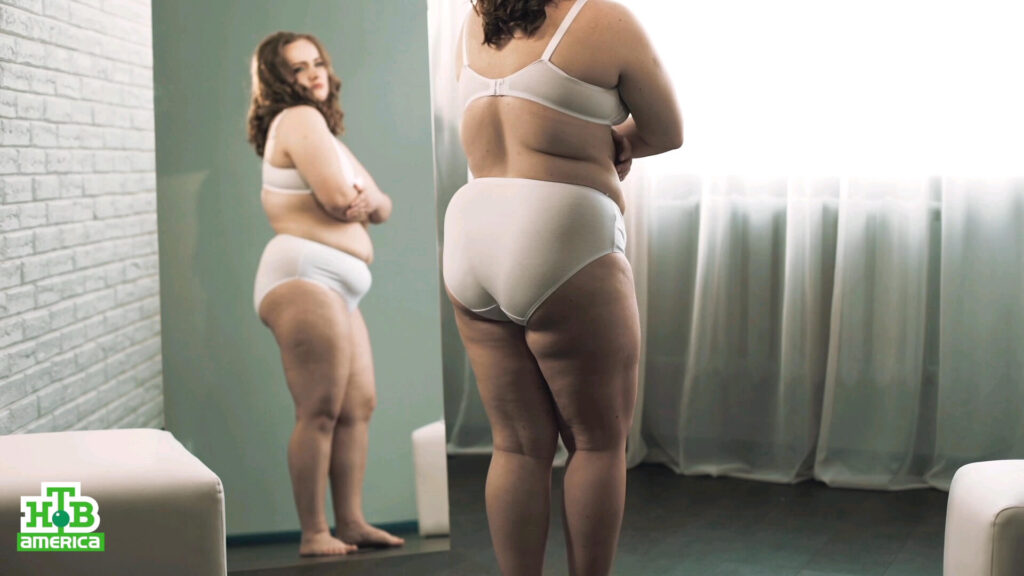
Losing your hair is actually quite common, but that doesn’t make it easy to resolve. If your problem is tied to being overweight — or if it even contributes to your problem, then weight loss has to be part of the solution. Losing weight when you’re obese always leads to better overall health.
Should I Lose Weight as Part of My Hair Loss Treatment Plan?
If you’ve been diagnosed as obese or morbidly obese, weight loss results in better overall health, including for your hair. Improving your diet, consuming more water and exercising can all lead to glowing skin, improved nails and healthier hair. Experienced nurse practitioner Svetlana Pyatigorskaya is qualified to help you lose weight, whether you’re a man or a woman. Her treatment plan definitely relies on diet and exercise, but may also include:
- Compounding lipotropin injections
- Compounding pills for appetite control
- Peptide therapy that supports weight loss
- Intravenous (IV) therapy for weight loss
- Bariatric surgery, which may temporarily cause hair loss
- Gastric bypass surgery, which also temporarily may cause hair loss
If you suspect that your weight gain is the cause of losing your hair, contact Svetlana Pyatigorskaya NP in Family Health PC in Lower Manhattan. Svetlana can help you lose the weight for the long term, while getting you started on a program to stop your hair loss.
FAQs: Hair Loss Associated With Weight Gain
Healthy hormone balance can be supported by maintaining a balanced diet, exercising regularly, managing stress, getting quality sleep, and attending routine medical checkups.
Hair grows in three phases: growth, transition, and shedding. Hormonal and metabolic changes related to weight gain can cause more hair follicles to enter the shedding phase earlier than normal, resulting in noticeable hair loss.
Yes, obesity may increase the risk of hair thinning. Excess weight is often linked with hormonal imbalance, inflammation, and metabolic stress, all of which can affect the health of hair follicles and slow healthy hair growth.
Sudden changes in body weight, including rapid weight gain or loss, can place stress on the body. This stress may push hair follicles into the resting phase, causing increased hair shedding several weeks or months later.
Yes. Diets lacking essential nutrients can affect hair health. Deficiencies in protein, iron, zinc, vitamin D, and B vitamins may weaken hair follicles and increase hair shedding.
In many cases, hair loss associated with metabolic or hormonal changes is temporary. Once underlying health issues are addressed and nutrition improves, hair follicles often return to their normal growth cycle.
Treatment depends on the underlying cause. Options may include improving nutrition, correcting hormonal imbalances, medical hair growth treatments, or advanced therapies designed to stimulate hair follicles.
You should consult a healthcare professional if hair loss continues for several months, becomes severe, or occurs with other symptoms such as fatigue, hormonal changes, or rapid weight fluctuations.
You should consult a healthcare professional if hair loss continues for several months, becomes severe, or occurs with other symptoms such as fatigue, hormonal changes, or rapid weight fluctuations.
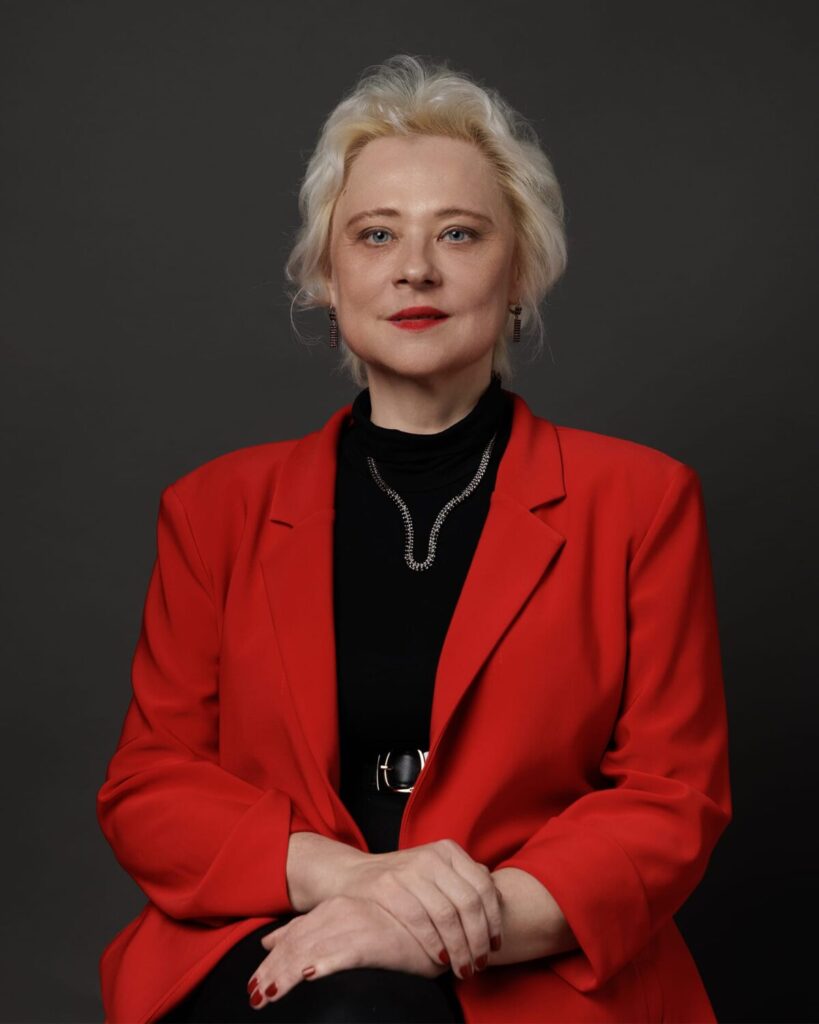
Светлана Пятигорская, FNP-BC, является сертифицированным семейным фельдшером и основателем Vitality NP NYC – Светлана Пятигорская NP в Family Health PC в Нью-Йорк. Обладая более чем 30-летним опытом работы в клинической сфере здравоохранения, она специализируется на первичной медико-санитарной помощи, функциональной медицине, антивозрастной медицине, оптимизации гормонов и профилактическом здравоохранении. Ее практика объединяет научно обоснованную медицинскую помощь с передовыми терапевтическими методами долголетия и метаболизма для разработки персонализированных, ориентированных на пациента планов лечения, направленных на долгосрочное благополучие и измеримые результаты для здоровья.
Она имеет следующие профессиональные квалификации и дополнительное образование:
- Сертифицированный семейный практикующий медбрат (FNP-BC)
- Американский совет практикующих врачей в области антивозрастной медицины
- Расширенная сертификация по функциональной и интегративной медицине
- IV Нутриционная Терапия и Биомолекулярные Протоколы Лечения
- Биоидентичная гормональная заместительная терапия (БГЗТ)
- Медицинское управление весом и метаболическая оптимизация
- Регенеративная и эстетическая медицина (включая PRP и микронидлинг)
Ее клиническая философия делает упор на оценку первопричин, профилактическую медицину и индивидуальные стратегии ухода, разработанные для улучшения жизненной силы, балансировки гормонов, улучшения метаболических функций и поддержки здорового старения.
Свяжитесь с нами!
Светлана Пятигорская — сертифицированный семейный медицинский практик и практикующий специалист по антивозрастному здоровью, сертифицированный Американским советом. Она проживает и практикует в Нью-Йорке.