





- ДОМ /
- Тестостерон заместительная терапия
Тестостерон заместительная терапия

Светлана Пятигорская, ПК "Семейная медицина"
Тестостерон заместительная терапия
Самый важный мужской гормон, без сомнения, — тестостерон. Он стимулирует развитие мужских черт в раннем возрасте и поддерживает сексуальное влечение с момента полового созревания. Если выработка этого гормона становится слишком высокой или слишком низкой, это может вызвать ряд неприятных побочных эффектов. Поскольку только анализ крови может подтвердить ваш уровень тестостерона, обратитесь к авторитетному эксперту по мужским гормонам, такому как Светлана Пятигорская в клинике «Светлана Пятигорская НП в Семейном Здоровье ПК», для точной диагностики и эффективной заместительной терапии мужскими гормонами. Позвоните сегодня для консультации.
Что такое заместительная гормональная терапия для мужчин?
Получение заместительной гормональной терапии для мужчин — непростое решение. Большинство мужчин стесняются обращаться за медицинской помощью по поводу проблем, связанных с гормональным дисбалансом. Традиционно заместительная гормональная терапия чаще ассоциируется с женщинами, но мужчины также могут получить пользу от этой процедуры. Светлана Пятигорская, NP в Family Health PC на Нижнем Манхэттене, специализируется на заместительной гормональной терапии как для мужчин, так и для женщин. Под руководством Светланы Пятигорской, сертифицированного эксперта по антивозрастным методам лечения и практикующей медсестры, вы можете безопасно пройти биоидентичную гормональную терапию без каких-либо нежелательных реакций. Большинство мужчин, посещающих клиники заместительной гормональной терапии для мужчин, находятся в возрасте от 25 до 30 лет и жалуются на сексуальную дисфункцию.
Какие симптомы лечит гормональная терапия у мужчин?
Как и при некоторых заболеваниях, симптомы низкого уровня тестостерона не всегда очевидны. Вам следует немедленно обратиться к медицинскому работнику, такому как Светлана в Svetlana Pyatigorskaya NP в Family Health PC, чтобы сдать анализ крови и, возможно, начать гормональную терапию, если вы в настоящее время испытываете такие симптомы, как:
Тестостерон — мужской половой гормон, регулирующий нормальное половое влечение и функции мужчины. Этот мужской гормон находится в центре внимания как самый подверженный воздействию гормон, независимо от того, проходите ли вы:
- Мужская гормональная заместительная терапия
- Трансгендерная гормональная терапия
- Феминизирующая гормональная терапия
- Маскулинизирующая гормональная терапия
Когда уровень вашего гормона тестостерона низкий, вы можете столкнуться с рядом проблем, связанных с вашим либидо и сексуальной активностью. Хотя для мужчин снижение уровня гормона тестостерона с возрастом является обычным явлением, эта проблема может возникнуть и в подростковом возрасте, и в двадцать лет. Это часто создает проблемы с ростом и развитием половых органов, что приводит к снижению сексуального влечения.
- Сниженное либидо
- Трудности с достижением и поддержанием эрекции
- Низкое количество сперматозоидов
- Снижение мышечной массы
- Увеличение жировых отложений, которое может способствовать потере веса у мужчин, диеты
- Необъяснимая потеря волос, которая может потребовать лечения плазмой, обогащенной тромбоцитами (PRP)
- Усталость, которая может быть уменьшена с помощью внутривенного введения коктейля Майерс
- Проблемы концентрации
- Отсутствие мотивации
- Депрессия
- Приливы жара
- Низкая плотность костей
- Дискомфорт или отек груди
- Бесплодие
Большинству мужчин в рамках заместительной гормональной терапии назначают наружные кремы и таблетки. Эти средства помогают уменьшить некоторые симптомы, с которыми сталкиваются мужчины из-за низкого уровня тестостерона. Лечение особенно необходимо пожилым мужчинам, у которых мужской гормон снижается на один-три процента после достижения 40-летнего возраста.
Зачем мне гормональная терапия для мужчин?
Гормон тестостерон играет очень важную роль для мужчин. Он способствует развитию полового члена и яичек, а также приводит к понижению голоса. Кроме того, он, конечно же, обеспечивает выработку спермы и стимулирует половое влечение.
Когда уровень этого гормона низок, это часто приводит к невозможности зачать детей. Большинство мужчин обращаются за помощью, когда сталкиваются с проблемами, связанными с их половым влечением и активностью. Врачи, занимающиеся заместительной гормональной терапией у мужчин, выявили два состояния, которые могут возникнуть при низком уровне тестостерона:
- Вы можете думать об этом состоянии как о мужском климаксе, но между ними есть тонкие различия. В то время как женский климакс обычно наступает внезапно, мужской андрогенный дефицит — это постепенное снижение уровня тестостерона с течением времени. Набор веса и выпадение волос часто остаются незамеченными. Поскольку внешние симптомы часто отсутствуют, только анализ крови может подтвердить низкий уровень тестостерона, но кровь не берётся в рамках обычной ежегодной диспансеризации.
- Когда организм не вырабатывает достаточно тестостерона, это называется гипогонадизмом. Это состояние влияет на процесс развития мужских половых признаков. Находясь в утробе матери, мужской плод может развить женские гениталии, неопределенные гениталии или недоразвитые мужские гениталии. В период полового созревания у мальчика может отсутствовать растительность на лице и теле, не произойти понижение голоса и не увеличиться пенис и яички.
Если вы подозреваете у себя андропаузу или гипогонадизм, не ждите. Запишитесь на прием к Светлане Пятигорской из Svetlana Pyatigorskaya NP в Family Health PC в центре Нью-Йорка. Она сможет проверить ваш уровень тестостерона в крови и, при необходимости, назначить заместительную гормональную терапию для мужчин, чтобы вернуть вас в норму.
Заместительная гормональная терапия тестостероном: часто задаваемые вопросы
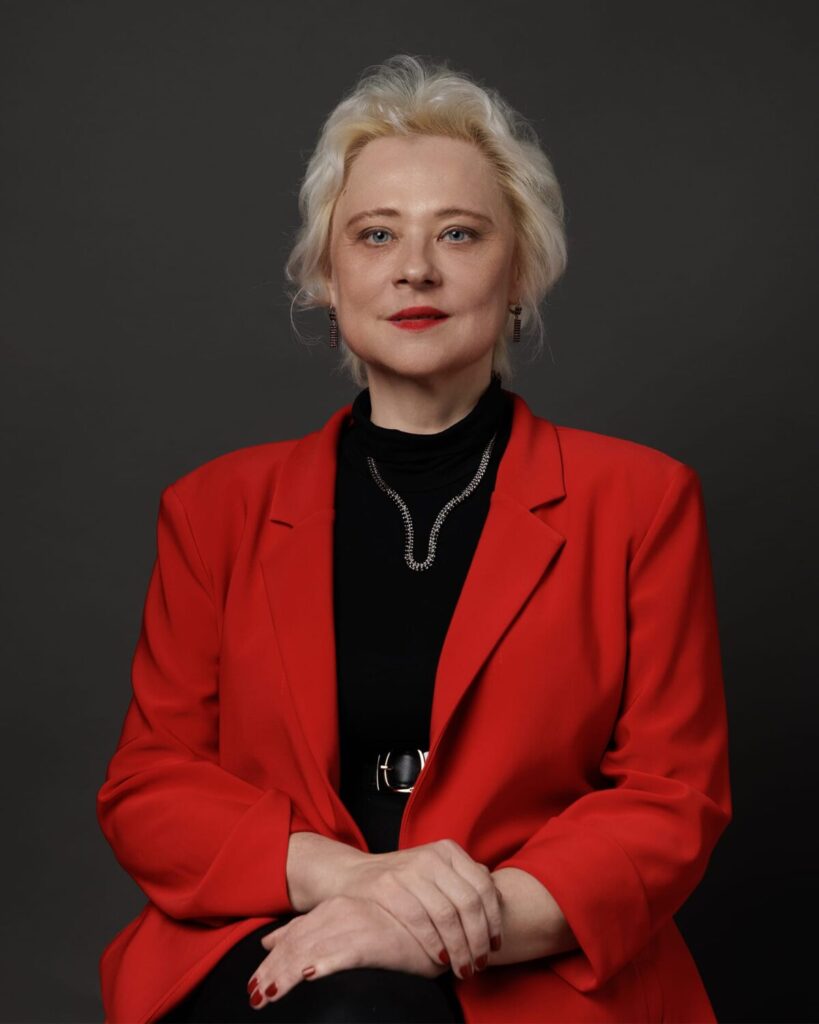
Светлана Пятигорская, FNP-BC, является сертифицированным семейным фельдшером и основателем Vitality NP NYC – Светлана Пятигорская NP в Family Health PC в Нью-Йорк. Обладая более чем 30-летним опытом работы в клинической сфере здравоохранения, она специализируется на первичной медико-санитарной помощи, функциональной медицине, антивозрастной медицине, оптимизации гормонов и профилактическом здравоохранении. Ее практика объединяет научно обоснованную медицинскую помощь с передовыми терапевтическими методами долголетия и метаболизма для разработки персонализированных, ориентированных на пациента планов лечения, направленных на долгосрочное благополучие и измеримые результаты для здоровья.
Она имеет следующие профессиональные квалификации и дополнительное образование:
- Сертифицированный семейный практикующий медбрат (FNP-BC)
- Американский совет практикующих врачей в области антивозрастной медицины
- Расширенная сертификация по функциональной и интегративной медицине
- IV Нутриционная Терапия и Биомолекулярные Протоколы Лечения
- Биоидентичная гормональная заместительная терапия (БГЗТ)
- Медицинское управление весом и метаболическая оптимизация
- Регенеративная и эстетическая медицина (включая PRP и микронидлинг)
Ее клиническая философия делает упор на оценку первопричин, профилактическую медицину и индивидуальные стратегии ухода, разработанные для улучшения жизненной силы, балансировки гормонов, улучшения метаболических функций и поддержки здорового старения.
Свяжитесь с нами!
Светлана Пятигорская — сертифицированный семейный медицинский практик и практикующий специалист по антивозрастному здоровью, сертифицированный Американским советом. Она проживает и практикует в Нью-Йорке.